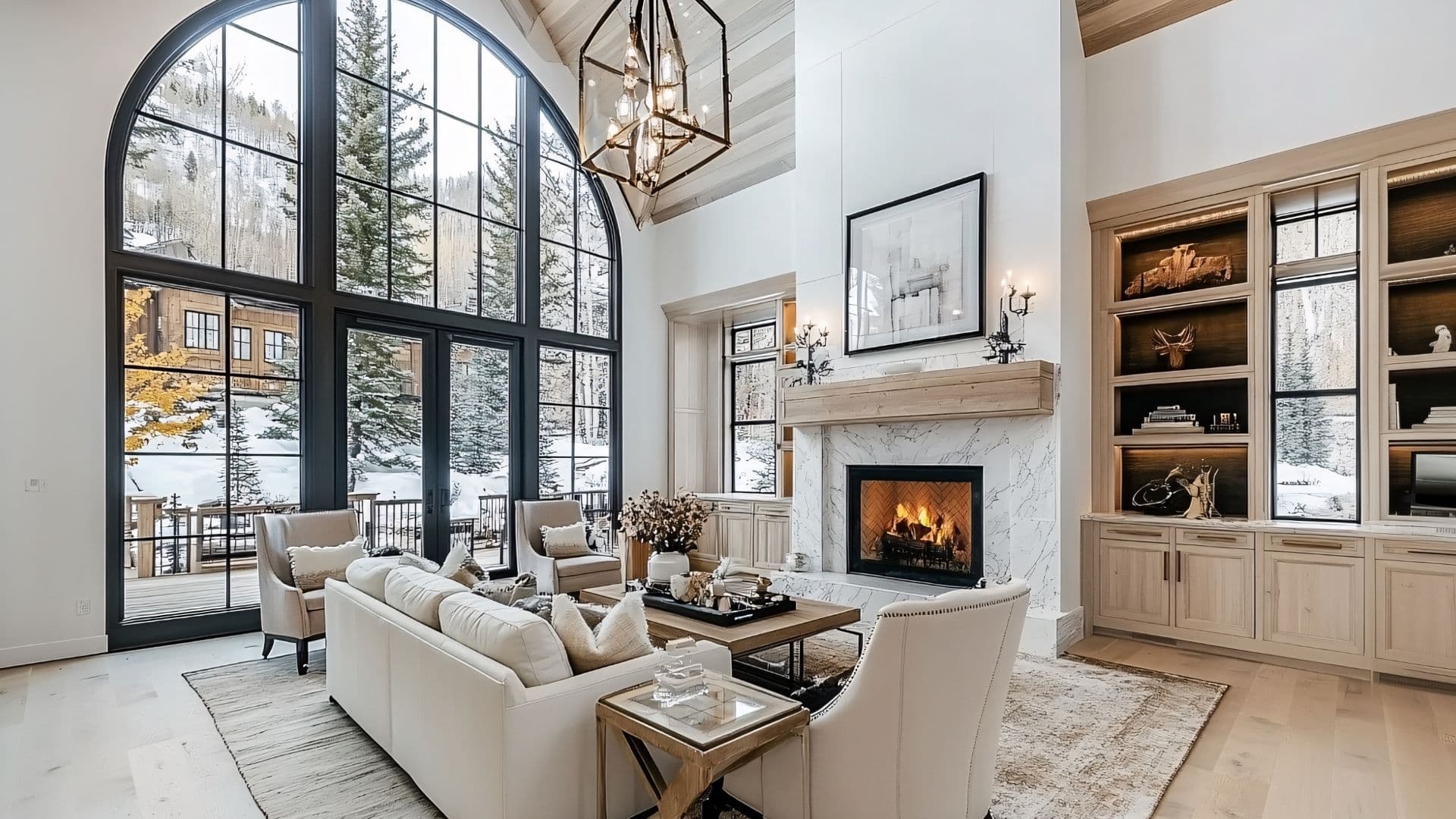
One of the most common conversations I have with clients is about investment properties. The High Country's year-round tourism — from skiing in winter to hiking and festivals in summer — makes it an attractive market for short-term rentals. As someone who has owned and managed vacation rentals here, I can share some practical insights.
Location Matters More Than You Think
Not all High Country locations perform equally as rentals. Proximity to ski resorts (Sugar Mountain, Beech Mountain, Appalachian Ski Mountain) drives winter bookings, while access to the Blue Ridge Parkway, Grandfather Mountain, and downtown Blowing Rock helps with summer traffic. Properties within a 10-minute drive of major attractions typically see the strongest year-round occupancy.
The Numbers You Need to Know
Before purchasing, run realistic projections. A well-located, well-managed three-bedroom cabin can generate meaningful rental income, but you need to account for all costs: mortgage payments, property taxes, insurance (including short-term rental coverage), property management fees (typically 25-35% of gross revenue), cleaning fees, maintenance, furnishing, and supplies. I can help you run these numbers for specific properties.
Regulations and Permits
Short-term rental regulations vary by location in the High Country. Some areas within Boone town limits have restrictions, while unincorporated Watauga County has different rules. Beech Mountain, Banner Elk, and Blowing Rock each have their own permitting requirements. Always verify that a property is eligible for short-term rental use before purchasing — this is one area where assumptions can be costly.
What Guests Want
After managing rentals and studying booking patterns, I've found that certain features consistently drive higher occupancy and nightly rates: hot tubs (practically essential), mountain views, game rooms, fire pits, and reliable high-speed internet. Modern, clean interiors with quality furnishings outperform dated properties significantly, even at higher nightly rates.
Management Considerations
Decide early whether you'll self-manage or hire a property management company. Self-management saves the management fee but requires being responsive to guest needs, coordinating cleanings, handling maintenance, and managing listings. If you don't live locally, a good property manager is worth the investment. I can recommend several reputable companies in the area.
Seasonality and Cash Flow
The High Country rental market has two peak seasons: winter (December through March, driven by skiing) and summer/fall (June through October, driven by leaf season and outdoor activities). April, May, and November tend to be slower. Plan your cash flow accordingly and don't assume every month will look like a peak-season month.
Investing in a mountain rental property can be rewarding both financially and personally. Having a place in the mountains that also generates income is a great combination. If you're exploring this path, I'd be glad to help you evaluate properties with an investor's eye.