When it comes time to sell your mountain home, the basics of home preparation still apply — declutter, clean, make repairs. But mountain properties have additional factors that can make or break a sale. Here are seven practical steps I recommend to every seller I work with.
1. Address the Driveway and Access
First impressions start at the road. Mountain driveways take a beating from weather, and a rutted, washed-out driveway can turn off buyers before they even reach the front door. Grade the driveway, fill potholes, and add fresh gravel if needed. If your driveway is steep, make sure drainage is working properly to prevent erosion. This is one of the highest-impact improvements you can make.
2. Clear the Views
Over time, trees and vegetation grow in and can obscure the mountain views that originally drew you to the property. Selective tree trimming or removal (following local regulations) can dramatically restore views and increase your home's appeal. A property with a long-range mountain view commands a significant premium over a comparable home without one.
3. Inspect and Service Key Systems
Mountain homes rely on systems that buyers will scrutinize: the well, septic system, HVAC, and any propane or wood-burning heating. Have these inspected and serviced before listing. Being able to hand a buyer recent inspection reports builds confidence and can prevent deals from falling apart during the buyer's due diligence period.
4. Deal with Moisture Issues
Moisture is a common concern in mountain homes, particularly in lower levels and crawl spaces. Check for any signs of water intrusion, ensure gutters and downspouts are directing water away from the foundation, and address any musty odors. A dehumidifier in the basement or lower level is often a worthwhile investment.
5. Update Strategically
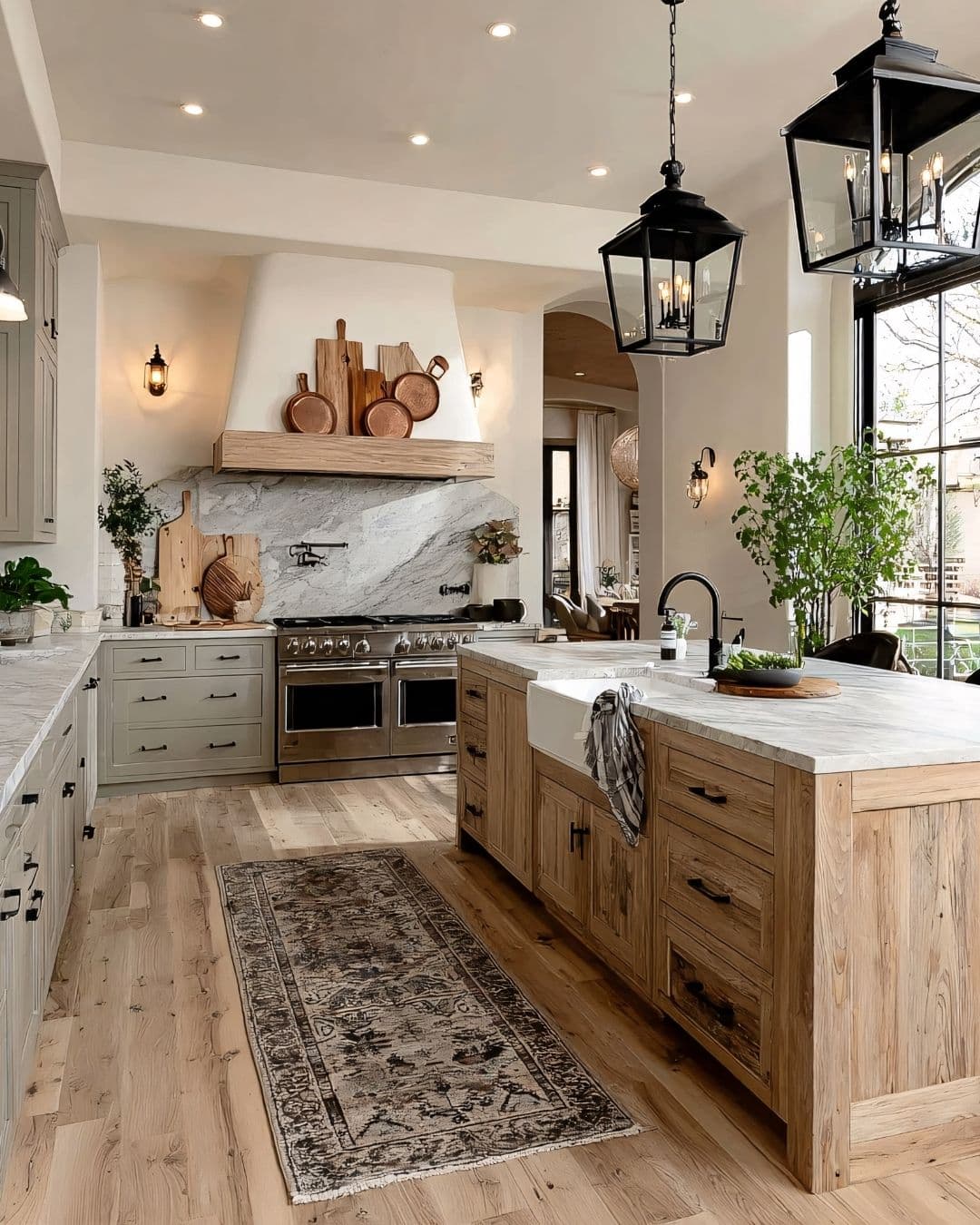
You don't need a full renovation to sell well, but some updates deliver strong returns. Fresh interior paint in neutral colors, updated light fixtures, and modern hardware on kitchen and bathroom cabinets are relatively low-cost improvements that make a home feel current. If the kitchen or bathrooms are significantly dated, consider targeted updates rather than full remodels.
6. Stage for Mountain Living
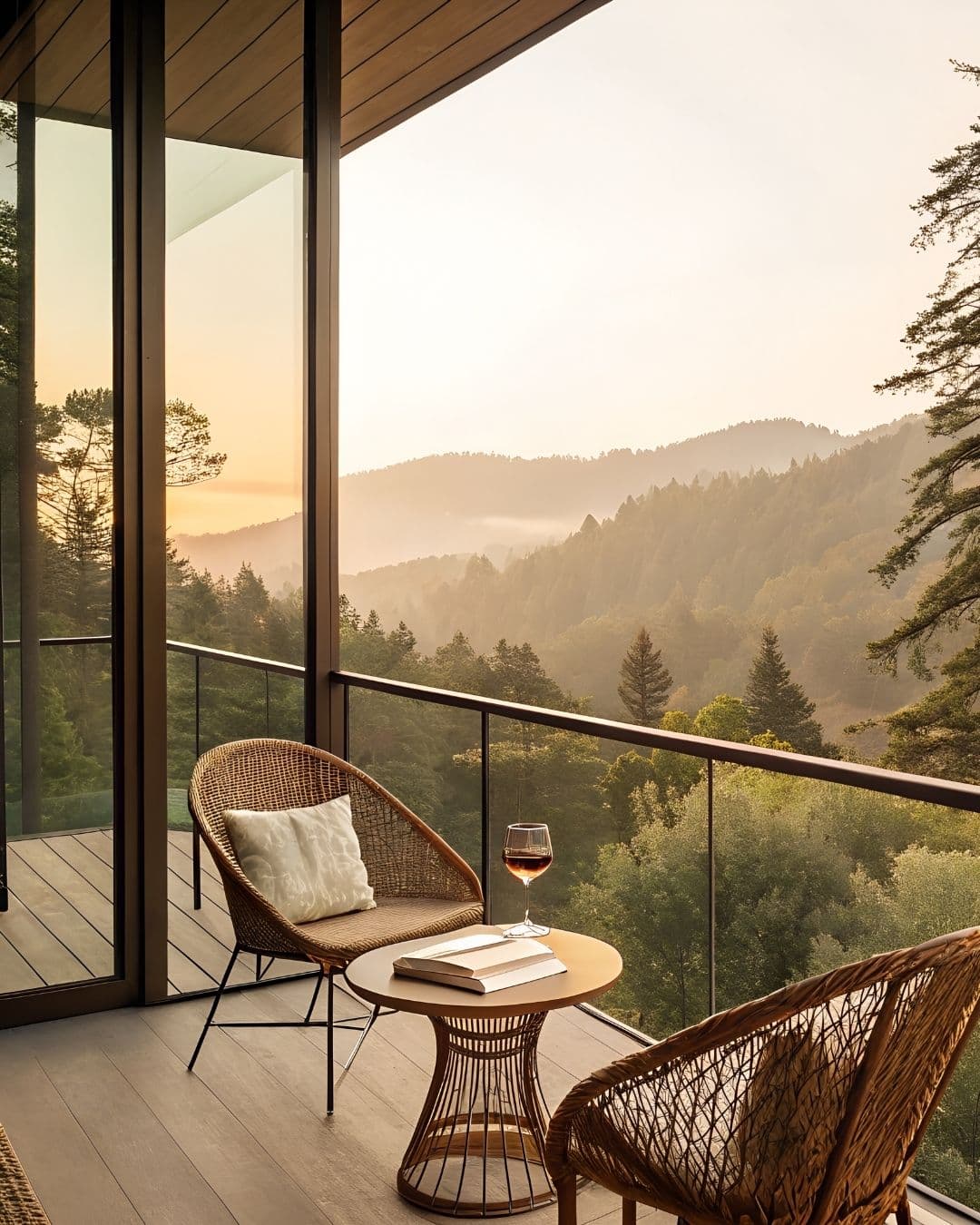
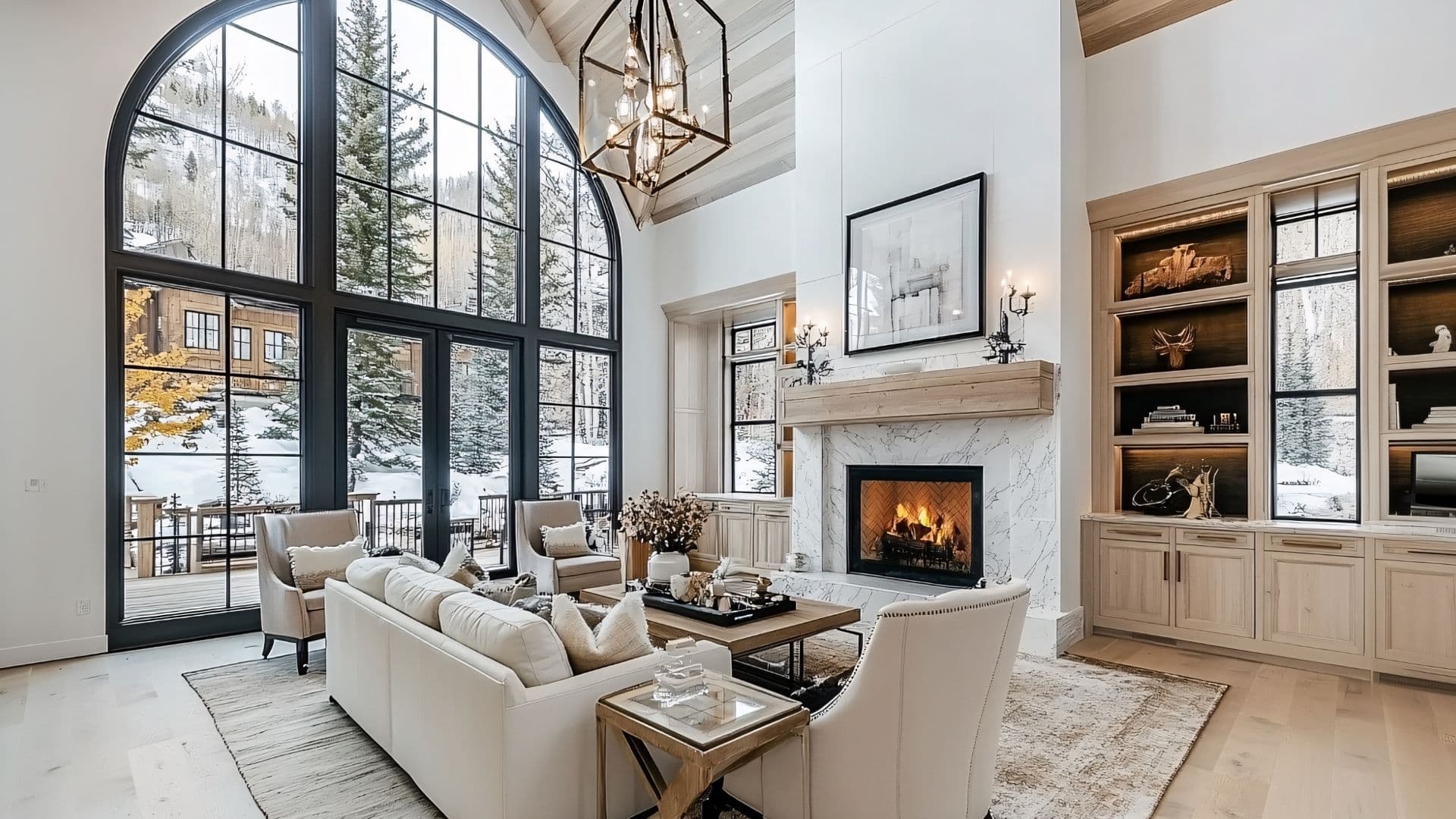
Buyers who shop in the High Country are often envisioning a lifestyle. Help them see it. Stage the deck with comfortable outdoor furniture. Set up the fire pit area. Make sure the hot tub is clean and running. Inside, create cozy vignettes — a reading nook by the window, a game table, blankets draped on chairs near the fireplace. You're selling the experience of mountain living, not just a structure.
7. Price Based on Data, Not Emotion
This might be the most important step. Your home has deep personal value, but the market doesn't price based on memories. Work with an agent who knows the local comparables and can help you set a competitive price. Overpricing a mountain property leads to extended days on market, which often results in selling for less than if you'd priced it right from the start.
Selling a home is a big decision, and I take it seriously. If you're thinking about listing your High Country property, I'm happy to do a walkthrough and give you my honest assessment of what will help it sell well.